Menu

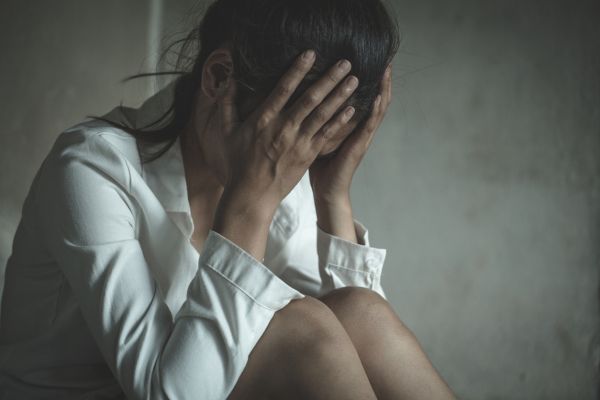
Most people assume a sexual assault case is legally simple. Someone commits the act, and that person is responsible. The reality is often more complicated, especially in California, where premises liability and negligence laws can extend responsibility beyond the individual offender. This is where third-party liability becomes critical. For victims and families, this changes the legal question from “who did this” to “who else failed to stop it.”
Our legal system gives victims the ability to hold others accountable when they cause us harm. However, real life is rarely simple and clear-cut. Sometimes, there are additional parties who could be liable, despite not being the one to directly perform the action that caused the injury. Third-party liability is the legal term used when additional parties are liable for a victim’s injury or loss.
This concept primarily applies to civil law. For example, a landlord is the third party that could be liable for a tenant being robbed while walking to their front door. A bar could have third-party liability for a patron who imbibed too much alcohol, drove, and caused an accident. An employer could be named as a liable third party after ignoring repeated employee reports of harassment by a fellow employee.
In all of these situations, the third party had some level of duty to act. They knew of a potentially harmful situation, yet failed to act. That failure allowed the harmful situation to continue, which resulted in the victim’s injury.
To be held liable for a sexual assault, the third party would need to have a duty of care, fail to meet that duty, and, as a result, a sexual assault would take place. California courts generally look at whether the assault was reasonably foreseeable and whether the defendant failed to take reasonable steps to prevent it.
Only those that meet the elements can be a potentially liable third party. This includes organizations and entities that have a duty of care for the people they are responsible for.
An educational institution has a duty of care for its students. They could be liable if there was inadequate campus security, previous incident reports were ignored, or poor supervision of students in dormitories or at campus events.
An employer has a duty of care to keep employees safe while they are at work. There could be third-party liability if the employer negligently hired or knowingly hired dangerous employees. Liability can be incurred if the employer ignores multiple previous incident reports about a particular employee’s misconduct. There may also be liability if the employer failed to maintain a reasonably safe workplace.
Organizations that work closely with children or vulnerable individuals are expected to exercise a higher level of care. In settings like churches, youth programs, and similar organizations, a duty exists to provide a reasonably safe environment for participants.
Liability can arise when prior allegations of misconduct are ignored, when staff or volunteers are not properly supervised, or when reports of abuse are concealed instead of being addressed. It may also apply when individuals with known or suspected histories of misconduct are still given access to vulnerable people despite warning signs.
Property owners who allow the public to come onto their premises have a duty to maintain a safe environment. Third-party liability for sexual assault in these places generally focuses more on negligent security. This could include broken locks, poor lighting, lack of security measures, poorly trained security personnel, or a failure to address previous criminal activity.
To have a successful third-party liability claim, there needs to be a clear connection between the required elements. This includes showing that the third party had a duty and breached that duty. Then, the sexual assault occurred because of that breach. To make these connections, evidence is needed. Having a broad range of evidence can help to accurately portray the events that took place.
The final element of a third-party liability claim is damages. There needs to be damages because these are what the court uses to calculate compensation in a civil claim. Damages suffered from a sexual assault go beyond physical injury. Survivors can seek to recover medical expenses, mental health treatment costs, and lost income. These are calculable by providing payment records.
California also allows for non-economic damages. These include pain and suffering or emotional distress. While there are no financial records, courts consider the facts of the case to determine appropriate compensation. This is where working with a sexual assault attorney can be beneficial. A lawyer will know how to present a claim to accurately portray the full extent of their client’s suffering. They will know what similar previous cases have successfully recovered. Their knowledge and experience help them to advocate on behalf of their client.
These cases rarely involve a single point of responsibility. Even though the perpetrator caused the direct harm, California’s civil liability statutes allow for other parties to be held accountable when their negligence played a role in creating unsafe conditions.
Each party may have had a different level and type of duty. Each party’s failure has to be evaluated on its own. That means determining liability often requires investigation and evidence gathering. Identifying every responsible party requires reviewing what was known, what was ignored, and what should have been done.
These cases often come down to what was known, what should have been done, and what was left undone. ADZ Law, LLP helps clients take a closer look at what happened and determine whether additional parties may be legally responsible.
Reach out to ADZ Law, LLP to discuss your case and understand what accountability may look like in your situation.
Our Firm Speaks
© 2026 ADZ Law, LLP
| View Our Disclaimer | Privacy Policy
Law Firm Website Design by The Modern Firm