Menu

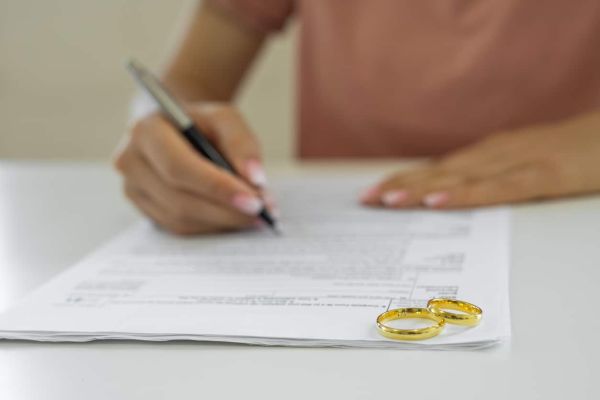
Your spouse has made it clear they aren't going to make this easy. They won’t acknowledge the divorce petition filing. They won’t sign the negotiated settlement agreement. You can’t even find them to serve them notice of the divorce. At that point, many people start asking the same question: Can they actually stop the divorce? Fortunately, California does not require both spouses to agree or participate to dissolve a marriage. If your spouse won't sign divorce papers in California, you still have legal options.
“Won't sign” can mean several different things during a divorce. Your spouse may ignore the papers entirely after being served. You may be unable to find them to serve the divorce petition at all. Or they may have responded to the case but refuse to sign a settlement because they disagree with the proposed terms.
The process is different in each situation. Whether your spouse won’t sign divorce papers or ignores them, a lack of response can lead to default. However, a dispute over the terms of the divorce generally keeps the case contested and moving toward resolution through settlement or trial. Understanding the difference helps explain what happens next.
Once the divorce petition is filed, the other spouse is considered the responding party. They have 30 days to file a response. Typically, the response will include a point-by-point reply to the arguments listed in the initial filing. This could include admissions or denials of the petition’s claims. There may also be additional points made by the responding party that weren’t included in the initial petition. The petition and response should address spousal support, child custody, and division of property.
The 30-day deadline is crucial, but not an automatic mechanism. On day 31, the filing spouse can seek a default judgment. They must petition the court and be able to show they performed proper service on the non-responding spouse. The court will then process the petition for default judgment and issue a ruling in favor of the filing spouse. There is an important caveat here. Default judgment isn’t automatic. If the non-responding spouse files their response late, but before the petition for default judgment, the court may not accept the default judgment. This is essential to know, because the divorce isn’t complete until the default judgment process is completed.
Additionally, the default judgment may not be the end of the story. The nonresponding spouse may still have options. They can ask the court to set aside the default judgment. Accepted reasons include improper service, mistake, surprise, excusable neglect, or fraud, within specific time limits. There needs to be a legally recognized reason. Not wanting the divorce or not agreeing with the default terms are not accepted reasons.
A default judgment is the legal mechanism that can be used when the other party won’t respond or acknowledge the filing. It’s not unique to family law divorce cases. However, it’s more commonly misunderstood during divorce than in a personal injury case. When a spouse files for divorce, they are starting a court case. The other spouse needs to respond, just like a plaintiff filing a personal injury claim and the defendant responding.
Courts have specific rules about how long each party has to file a response. When the parties don’t follow those rules, there are legal mechanisms in place to give the other party a path forward. That is what default judgment is. Despite the name, it’s not automatic or an administrative paperwork filing. A judge still reviews the paperwork to confirm it meets legal requirements before signing off. The court will consider the petition to ensure it complies with California’s community property rules.
The court can reject or send back a filing that's incomplete or inconsistent with California's support and property division rules. It’s crucial to carefully consider the initial divorce petition filing. A default divorce judgment in California cannot exceed what the petition requested. If you leave out an asset, a debt, or a request for support, you may not be able to add it later without extra steps. A divorce attorney can assist with writing the initial petition to ensure it contains the necessary terms.
Generally, the steps involved with obtaining a default judgment include:
Once approved, the divorce can be finalized without the other spouse signing or participating.
Once the other spouse files their response, the case is no longer eligible for the default judgment path. They have now participated in the legal process, which means the case proceeds with the more typical divorce process. This could include mediation, negotiations, a settlement, or trial. Dispute resolution procedures like mediation or a settlement conference are commonly used to resolve issues. If the parties can come to an agreement, they have the potential to avoid the cost and delays of a fully contested divorce that goes to trial.
In some situations, a spouse may decide to stop participating at some point after their initial response. For example, they may refuse to sign a marital settlement agreement. In this situation, the case doesn’t revert to default divorce judgment in California. Instead, the case proceeds to trial. The parties will present their arguments and evidence to a judge. The judge will make a ruling on any unresolved issues.
Refusing to participate or sign documents is sometimes a tactic used by one spouse to block a divorce from taking place. However, this strategy doesn’t accomplish this goal. Instead, when a spouse won’t sign divorce papers in California, it simply delays the divorce. The other spouse can successfully seek divorce without the mutual consent of the other spouse.
However, refusing to sign can delay the process, which can increase the overall cost of the divorce. The spouse seeking to end the marriage can seek a default divorce judgment in California, but that legal process requires filing documents, waiting the required amount of time, and then taking the next necessary steps. In some cases, a court can consider a spouse's unreasonable delay when addressing fees.
Whether your spouse has ignored the divorce petition or participated in the case but refuses to settle, there is still a legal path forward. The right approach depends on the circumstances, and getting the paperwork and procedure right can help avoid delays that make an already difficult process take even longer. If you're dealing with a spouse who won't sign divorce papers in California, ADZ Law's family law team can review where your case stands and help you determine what comes next. Contact us online or by calling 650-458-2300 to schedule a confidential consultation.
Our Firm Speaks
© 2026 ADZ Law, LLP
| View Our Disclaimer | Privacy Policy
Law Firm Website Design by The Modern Firm