Menu

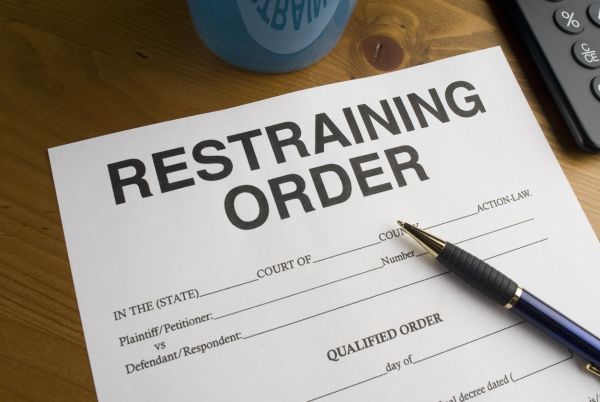
It often starts with something that seems manageable. A few unwanted messages. Repeated phone calls. Someone showing up where they know you'll be. Then the behavior continues, escalates, or may become physical and impossible to ignore. When that happens, many people start looking for answers about how the legal system can help protect them. A restraining order in California is one option that may be available, depending on the circumstances.
A restraining order is a court order that tells someone they must stop certain behavior. Depending on the circumstances, a judge may prohibit contact, require the person to stay a specified distance away from you, your home, your workplace, or your children's school, or order them to move out of a shared residence. In some cases, the court may also require the person to surrender firearms or prohibit them from purchasing new ones while the order remains in effect.
A restraining order is considered a civil court order, but failing to follow it can quickly become a criminal matter. Law enforcement may take action when a protected person reports a violation.
Most people are familiar with a restraining order that protects people in domestic violence situations. This type of restraining order protects someone from another individual with whom they were in a relationship or a close family member. California has several more types of restraining orders designed to protect people.
Anyone can get a restringing order as long as they meet the eligibility requirements for the type of restringing order they are seeking. California offers several different types of restraining orders instead of taking a catch-all approach with a single restraining order.
For example, a domestic violence restraining order is meant for people who have an intimate or familial relationship with the person they are seeking protection against. A civil harassment restraining order may be more appropriate if that close relationship doesn’t exist.
The first step in seeking a restraining order is to determine which type is the correct one to seek. This is crucial, as the court will dismiss petitions that are not of the appropriate type. Speaking with an experienced attorney can help clarify which type would be correct for a specific situation.
Petitioners must fill out and submit the required court documents to initiate the legal process. The forms vary depending on the type of restraining order. It’s important to fill out the correct forms. This is another step where a lawyer can be essential. Court clerks can provide procedural information, but they can’t provide legal advice.
Depending on the situation, a judge may quickly review the request and issue a temporary restraining order. Not every request is automatically approved for this immediate protection. The party against whom the restraining order is being sought must be given notice. They need to be served notice of the filing and the hearing date set for the court to review the petition.
At the hearing, the judge will decide whether additional protections are warranted. Both parties have an opportunity to appear and explain their side of the story. They can present supporting evidence. The judge may ask questions and review the information submitted by both sides before making a decision. At the end of the hearing, the judge will decide whether to grant, modify, or deny the request.
Courts consider several types of evidence when determining if a restraining order is appropriate. The more third-party evidence someone can present, the more likely the court will issue an order granting the order. Police reports, medical records, photographs, and witness statements can all provide corroborating evidence. If there is a relationship between the two individuals, communication like email, text, and social media messages may also be useful.
The type of restraining order obtained will determine how long it will last. Emergency restraining orders have the shortest effective time. They are typically issued by law enforcement to address an immediate safety need. It gives you time to file with the court to obtain a longer-lasting restraining order. Protection typically lasts 5-7 days.
A temporary restraining order can last 15-25 days. It functions as a bridge to cover the gap between filing for protection and the court issuing its protection order at the official hearing. If the protection order is for domestic violence or civil harassment, protection can last up to five years. Workplace violence protection orders can last up to three years. Criminal protective orders have the longest lifespan of five years, or up to 15 years in certain domestic violence conviction cases.
There may also be the option to seek the renewal of a restringing order. If approved, the court can renew for another five years. In some situations, the protection can be made permanent.
Violating a restraining order is a serious offense that comes with several long-lasting consequences. The offender could be arrested, face criminal charges, or pay fines. If the underlying order was domestic violence-related, they may be required to complete a batterer's treatment program.
If the violation involved an act of violence or a credible threat of violence, or if the defendant has prior convictions for violating protective orders, prosecutors may pursue felony charges.
Obtaining a restraining order can be an important step toward protecting your safety, your family, and your peace of mind. California's restraining order laws provide a way for individuals to seek court-ordered protections. ADZ Law, LLP understands that restraining order cases are often emotionally charged and time-sensitive. The firm's attorneys help clients throughout California navigate family law disputes, protect their rights, and pursue solutions that support their long-term well-being.
To learn more about your options for obtaining a restraining order in California, schedule a consultation today.
Our Firm Speaks
© 2026 ADZ Law, LLP
| View Our Disclaimer | Privacy Policy
Law Firm Website Design by The Modern Firm